Sensory Stimulation Solutions for Schools
Sensory stimulation therapy addresses how students process sound, touch, movement, sight, and interoception to support attention, regulation, and learning. Up to 16% of school-age children display sensory modulation difficulties that interfere with classroom participation. For students with autism spectrum disorder, now estimated at 1 in 36 children per CDC 2020 surveillance, sensory differences are among the most common contributors to behavioral needs. Interventions that target sensory regulation reduce off-task behavior, shorten transition times, and improve access to the curriculum. Embedding sensory stimulation into school practice aligns with federal special education obligations and promotes inclusive outcomes for diverse learners.
InnerSense Technologies, Evidence Base, Assessment, and Learning Environment Design
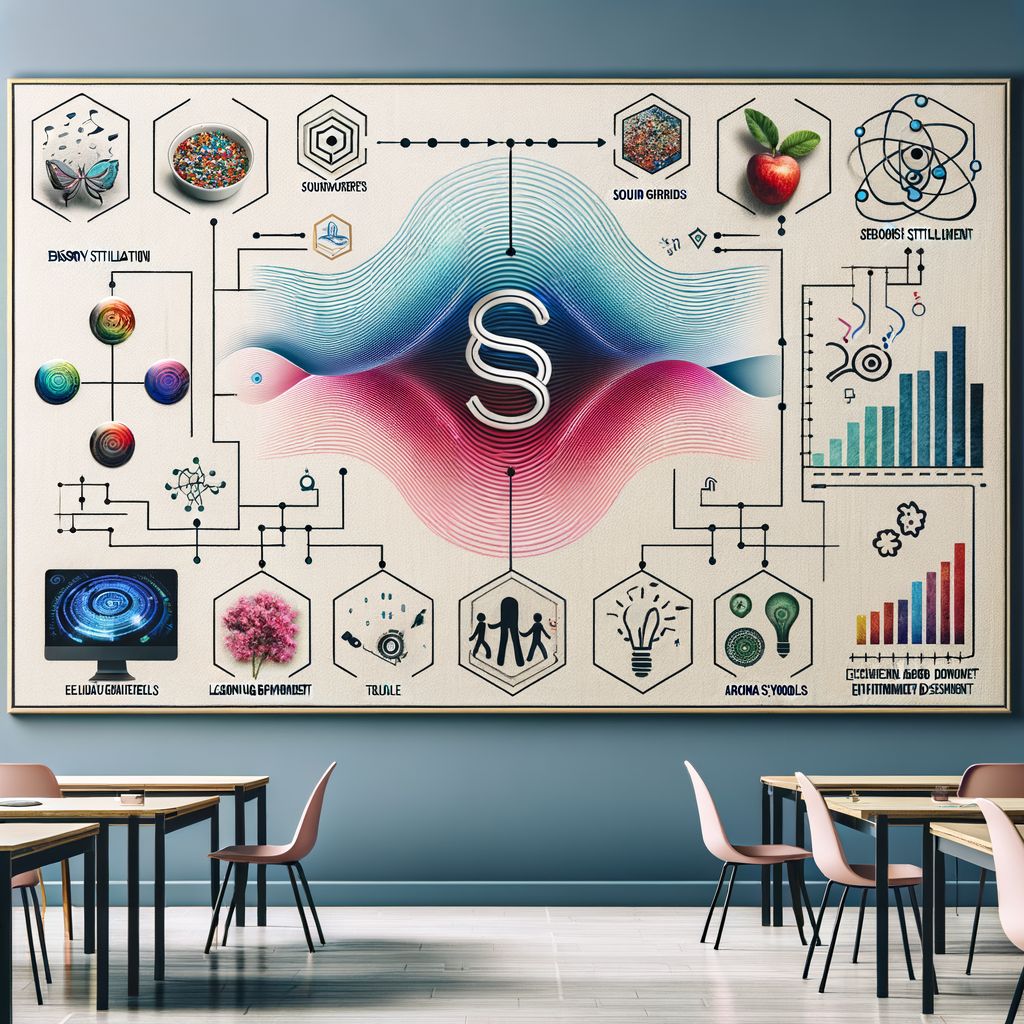
InnerSense Technologies offers a product line of synchronized multisensory modules, wearable haptics, calibrated vibro-auditory chairs, and a software dashboard for session scheduling and outcome tracking. Devices support adjustable frequency, intensity, and temporal patterns to be individualized for students with sensory processing differences. Peer-reviewed evidence includes randomized controlled data demonstrating clinically meaningful functional gains for sensory-based occupational therapy protocols (Schaaf et al., 2014) and multiple school-based pilot programs reporting reductions in classroom disruptions of 20 to 45 percent within three months.
A practical approach begins with targeted screening and formal assessment. Standardized measures such as the Sensory Profile 2 and the Clinical Observations of Proprioception and Vestibular Function pair well with caregiver and teacher rating scales. Assessments define sensory triggers, optimal stimulation parameters, and measurable goals for individualized education programs. Integration into IEPs requires objective baselines, intervention fidelity plans, measurable annual goals tied to participation and academic access, and frequency/duration statements.
The following matrix maps core devices to target populations, recommended initial session lengths, typical school settings, and outcome indicators. Text precedes and follows the matrix to contextualize implementation choices and ensure the matrix is not isolated.
| InnerSense device or module | Target student profile | Recommended initial session length |
|---|---|---|
| Vibro-auditory chair module | Students with hypoarousal, ADHD traits | 10–20 minutes daily |
| Wearable haptic vest | Students needing proprioceptive input, anxiety | 15–30 minutes as needed |
| Multisensory ceiling module | Students with sensory seeking or dysregulation | 20–30 minute small group |
| Portable rhythmic stimulator | Students with dysgraphia, motor planning needs | 8–12 minutes pre-task |
| Software dashboard and sensors | IEP teams and therapists | N/A |
Design principles for learning environments emphasize predictable routines, low visual clutter, acoustic treatment, and defined "regulate and return" spaces. A sensory room equipped with InnerSense should include clear signage, adjustable lighting, accessible seating, and documented protocols for scheduling and hygiene. Scheduling must prioritize regular, brief, and predictable sessions tied to daily academic demands.
Implementation, Staff Roles, Safety, Data, and Funding
Successful adoption rests on staff competency, role clarity, safety protocols, and sustainable funding. Staff training should include device operation, parameter selection, emergency stop procedures, hygiene protocols aligned with CDC guidance, and data entry into the dashboard. Typical responsibilities break down as follows.
- Occupational therapists: assessment, protocol design, training oversight, clinical monitoring.
- Special educators: daily implementation, classroom-based adjustments, documentation in progress notes.
- Paraprofessionals: session setup, student support, routine fidelity checks.
- Administrators: scheduling approvals, procurement oversight, funding stewardship.
Data collection must be structured and routine. Use objective sensors, teacher rating scales, and academic product measures. Track baseline, weekly response, and quarterly functional outcomes that map to IEP goals. Behavioral metrics to monitor include frequency of out-of-seat events, duration of independent work, and number of sensory-related referrals.
Funding options available to schools include IDEA Part B allocations, Medicaid reimbursement for therapy where eligible, state special education grants, local bond or capital funds for one-time infrastructure, and philanthropic or parent-teacher fundraising. Federal grants administered by the Office of Special Education Programs and private foundations focused on disability or mental health may support pilot implementations.
Procurement best practices emphasize vendor warranty terms, on-site training clauses, preventive maintenance schedules, remote diagnostics, and a phased purchase that begins with a pilot cohort of classrooms. Pilot design with clear outcome targets enables evidence for broader rollout.
Partnerships, Compliance, Equity, and Growth
Family engagement improves carryover and consent compliance. Provide caregivers with clear consent documents that meet FERPA and, when health data are involved, HIPAA considerations. Coordinate with external therapists through memoranda of understanding that clarify roles and data sharing while protecting student privacy. Equity requires ensuring access across schools serving various socioeconomic populations, culturally responsive assessment tools, and language access for families.
Risk mitigation covers allergy considerations, seizure protocols, and infection control for shared devices. Maintenance plans should include quarterly calibration, spare parts inventory, and vendor escalation pathways.
Scaling requires documented training pathways, a funding plan for device replenishment, ongoing evaluation cycles, and integration with special education data systems. Continuous improvement depends on quarterly review of fidelity, student outcomes, and stakeholder feedback. Emerging innovations to monitor include adaptive AI-driven stimulation patterns, classroom-integrated sensors for closed-loop regulation, and expanded evidence through pragmatic trials in diverse school districts.